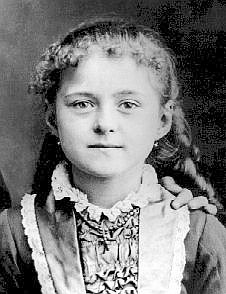
Lauda Sion [St Thomas Aquinas]
When Pope Urban IV (1261-1264) first established the Feast of Corpus Christi, he requested St. Thomas Aquinas (1225-1274) to compose hymns for it. This is one of the five beautiful hymns Aquinas composed in honor of Jesus in the Blessed Sacrament. In addition to Lauda Sion, St. Thomas wrote Adoro Te Devote, Pange Lingua, Sacris Sollemnis and Verbum Supernum. Lauda Sion is the Sequence before the Gospel on Corpus Christi. The last two verses comprise the well known Bone pastor, panis vere.
A metrical translation by St. Robert Southwell.
Southwell — a Jesuit priest who secretly ministered to Catholics in England who still clung to their faith - was eventually caught and, having suffered bravely for three years, became a martyr for Jesus Christ in 1595 A.D.
| Sequence for the Feast of Corpus Christi | Translation by St. Robert Southwell | |
| 1 |
Lauda Sion salvatorem
Lauda ducem et pastorem,
In hymnis et canticis
|
Praise, O Sion! praise thy Saviour,
Praise thy captain and thy pastor,
With hymns and solemn harmony.
|
| 2 |
Quantum potes, tantum aude:
Qui major omni laude,
Nec laudare, sufficis
|
What power affords perform indeed;
His worths all praises far exceed,
No praise can reach His dignity.
|
| 3 |
Laudis thema specialis,
Panis vivus et vitalis
Hodie proponitur.
|
A special theme of praise is read,
A living and life-giving bread,
Is on this day exhibited;
|
| 4 |
Quem in sacrae mensa coenae,
Turbae fratrum duodenae
Datum non ambigitur.
|
Which in the supper of our Lord,
To twelve disciples at His board
None doubts was delivered.
|
| 5 |
Sit laus plena, sit sonora,
Sit jucunda, sit decora
Mentis jubilatio.
|
Let our praise be loud and free,
Full of joy and decent glee,
With minds’ and voices’ melody;
|
| 6 |
Dies enim solemnis agitur,
In qua mensae prima recolitur
Hujus institutio.
|
For now solemnise we that day,
Which doth with joy to us display
The prince of this mystery.
|
| 7 |
In hac mensa novi Regis,
Novum Pascha novae legis,
Phase vetus terminat.
|
At this board of our new ruler,
Of new law, new paschal order
The ancient rite abolisheth;
|
| 8 |
Vetustatem novitas,
Umbram fugat veritas,
Noctem lux eliminat.
|
Old decrees be new annulled,
Shadows are in truths fulfilled,
Day former darkness finisheth.
|
| 9 |
Quod in coena Christus gessit,
Faciendum hoc expressit
In sui memoriam.
|
That at supper Christ performed,
To be done He straitly charged
For His eternal memory.
|
| 10 |
Docti sacris institutis,
Panem, vinum in salutis
Consecramus hostiam.
|
Guided by His sacred orders,
Bread and wine upon our altars
To saving host we sanctify.
|
| 11 |
Dogma datur christianis,
Quod in carnem transit panis,
Et vinum in sanguinem.
|
Christians are by faith assured
That to flesh the bread is changed,
The wine to blood most precious.
|
| 12 |
Quod non capis, quod non vides,
Animosa firmat fides,
Praeter rerum ordinem.
|
That no wit nor sense conceiveth,
Firm and grounded faith believeth,
In strange effects not curious.
|
| 13 |
Sub diversis speciebus,
Signis tantum, et non rebus,
Latent res eximiae.
|
Under kinds two in appearance,
Two in show but one in substance,
Lie things beyond comparison;
|
| 14 |
Caro cibus, sanguis potus:
Manet tamen Christus totus
Sub utraque specie.
|
Flesh is meat, blood drink most heavenly,
Yet is Christ in each kind wholly,
Most free from all division.
|
| 15 |
Asumente non concisus,
Non confractus, non divisus:
Integer accipitur.
|
None that consumers doth rend Him,
None that takes Him doth divide Him,
Received He whole persevereth.
|
| 16 |
Sumit unus, sumunt mille:
Quantum isti, tantum ille:
Nec sumptus consumitur.
|
Be there one or thousands hosted,
One as much as all received
He by no eating perisheth.
|
| 17 |
Sumunt boni, sumunt mali:
Sorte tamen inaequali,
Vitae vel interitus.
|
Both the good and bad receive Him,
But effects are diverse in them,
True life or true destruction.
|
| 18 |
Mors est malis, vita bonis:
Vide paris sumptionis
Quam sit dispar éxitus.
|
Life to the good, death to the wicked,
Mark how both alike received
With far unlike conclusion.
|
| 19 |
Fracto demum sacramento,
Ne vaciles, sed memento
Tantum esse sub fragmento, Quantum toto tegitur.
|
When the priest the host divideth,
Know that in each part abideth
All that the whole host covered.
|
| 20 |
Nulla rei fit scissura:
Signi tantum fit fractura,
Qua nec status, nec statura Signati minuitur.
|
Form of bread, not Christ is broken,
Not of Christ, but of His token,
Is state or stature altered.
|
| 21 |
Ecce panis angelorum
Factus cibus viatorum:
Vere panis filiorum, Non mittendus canibus.
|
Angels’ bread made pilgrims’ feeding
Truly bread for children’s eating,
To dogs not to be offered.
|
| 22 |
In figuris praesignatur,
Cum Isaac immolatur,
Agnus Paschae deputatur, Datur manna patribus.
|
Signed by Isaac on the altar,
By the lamb and paschal supper,
And in the manna figured.
|
| 23 |
Bone pastor, panis vere,
Jesu, nostri miserere:
Tu nos pasce, nos tuere, Tu nos bona fac videre
In terra viventium.
|
Jesu, food and feeder of us,
Here with mercy feed and friend us,
Then grant in heaven felicity!
|
| 24 |
Tu qui cuncta scis et vales,
Qui nos pascis hic mortales:
Tuos ibi commensales,
Coheredes et sodales Fac sanctorum civium.
|
You know all things, can do all things, and feed us here on earth.
Make us Your guests in heaven, co-heirs with You and companions of heaven’s citizens.
|
| Amen. Alleluia. |
Ultima hominis felicitas est in contemplatione veritatis. - Saint Thomas Aquinas
Labels: Feast of Corpus Christi, Lauda Sion by St. Thomas Aquinas, St Robert Southwell, St Thomas Aquinas
posted by rachelanne at 4/22/2018 01:14:00 AM
|
0 comments